
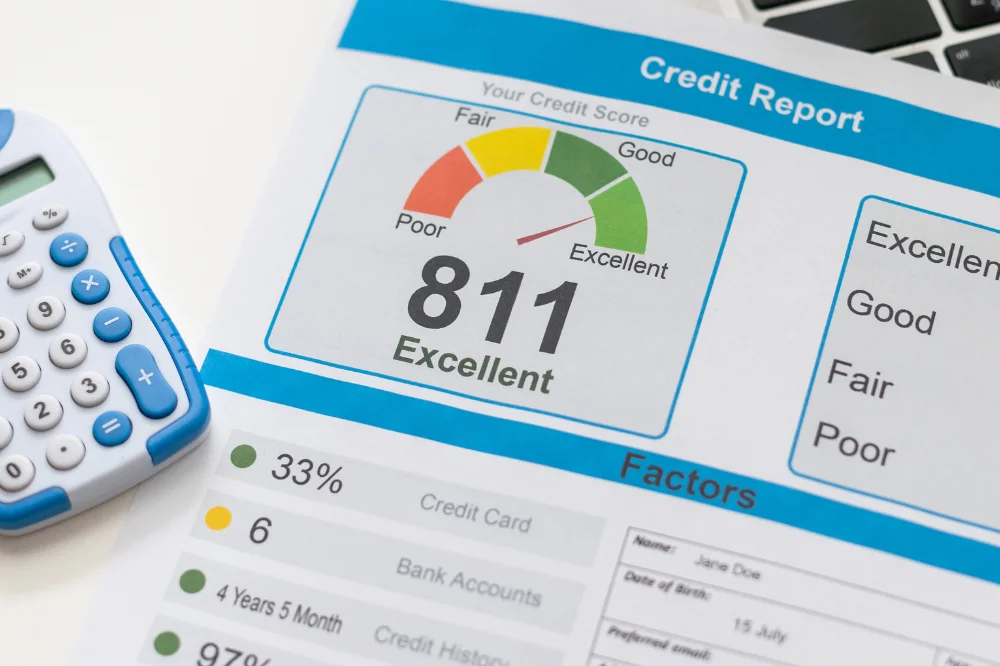

Your credit score is one of the most vital numbers in your financial life. It acts as a financial passport, determining whether you qualify for mortgages, auto loans, personal financing, or rental properties. Despite its importance, many consumers find the mechanisms behind credit scoring models mysterious. The formulas used to calculate these three-digit numbers are complex, but the underlying concepts are straightforward and accessible.
Understanding how scoring algorithms evaluate your financial habits allows you to make informed decisions that protect and improve your score over time. By dissecting the primary pillars of credit calculation, you can take control of your financial reputation and position yourself for optimal borrowing terms.
The Foundations of Credit Scoring Models
In the United States, two primary entities develop the scoring models used by lenders: the Fair Isaac Corporation, commonly known as FICO, and VantageScore. While both companies use proprietary mathematical formulas to process consumer data, they rely on similar information collected by the three major credit bureaus: Equifax, Experian, and TransUnion.
Standard credit scores range from 300 to 850. Scores on the higher end of the spectrum indicate lower statistical risk to lenders, which translates into lower interest rates, waived deposits on utilities, and access to the best financial products. Both FICO and VantageScore break down their evaluations into five core categories, though they assign slightly different statistical weights to each.
1. Payment History
Payment history is universally recognized as the single most critical factor in your credit profile. For a standard FICO score, payment history accounts for 35 percent of the total calculation. Lenders look to your past performance to predict your future reliability.
This category tracks whether you have paid your past credit accounts on time. It encompasses a wide range of credit types:
-
Credit cards and retail store cards
-
Installment loans, such as student loans, auto financing, and personal loans
-
Real estate mortgages and home equity lines of credit
-
Public records and collection items, including charge-offs and past-due accounts
A single late payment can cause a significant decline in your score, particularly if your score was high prior to the delinquency. The impact of a late payment depends on several details:
-
Severity: A payment reported 90 days past due is substantially more damaging than one that is 30 days late.
-
Recency: Recent delinquencies hurt your score far more than late payments that occurred years in the past.
-
Frequency: Multiple late payments across different accounts establish a negative pattern, compounding the damage to your overall profile.
2. Amounts Owed and Credit Utilization
The second most impactful component is the total amount of debt you carry, representing approximately 30 percent of your FICO score. While holding debt is common, scoring models focus heavily on how much of your available revolving credit you are actively using. This metric is known as your credit utilization ratio.
Your credit utilization ratio is calculated by dividing your total outstanding credit card balances by your total credit limits. For example, if you have a total credit limit of 10000 dollars across all cards and your combined balances equal 3000 dollars, your credit utilization is 30 percent.
Financial institutions generally view high utilization as a sign of potential financial distress. To keep this component in good standing, consider the following best practices:
-
Keep Balances Low: Aim to maintain your overall utilization ratio below 30 percent, though borrowers with the highest credit scores often keep their utilization below 10 percent.
-
Monitor Individual Cards: Scoring models evaluate both aggregate utilization across all cards and the individual utilization on each specific card. Even if your overall ratio is low, maxing out a single card can negatively influence your score.
-
Statement Closing Dates: Creditors report balances to credit bureaus around your statement closing date, not your payment due date. Paying down balances before the statement generates can help keep reported utilization low.
3. Length of Credit History
The duration of your credit experience makes up roughly 15 percent of your FICO score. In general, a longer credit history provides more data, making it easier for algorithms to assess your long-term consistency and reliability.
Scoring models evaluate credit history duration through three specific measurements:
-
The age of your oldest active account
-
The age of your newest opened account
-
The average age of all your open and closed accounts combined
Because average account age plays an important role, closing an older credit card account can gradually reduce your overall history length once the closed account eventually falls off your credit report. For this reason, keeping older, zero-fee accounts open and active with occasional small purchases is a common strategy to protect credit longevity.
4. Types of Credit in Use
Known as your credit mix, this factor represents 10 percent of your score. Lenders prefer to see that you can manage multiple types of credit responsibly over time, rather than relying exclusively on one format.
Credit is broadly split into two primary categories:
-
Revolving Credit: Accounts with variable payments and flexible borrowing limits that replenish as you pay them down, such as credit cards and home equity lines of credit.
-
Installment Credit: Accounts with a fixed loan amount, set repayment terms, and regular monthly payment schedules, such as mortgages, auto loans, and student debt.
While having a diverse credit mix is beneficial, you should never open new loan accounts or take on unnecessary interest charges simply to improve this category. Credit mix is a secondary factor that develops naturally as your financial life matures.
5. New Credit and Hard Inquiries
The final component accounts for 10 percent of your score and focuses on how often you apply for new financing. Every time you submit a formal application for a credit card, loan, or mortgage, the lender initiates a hard inquiry on your credit report.
-
Hard Inquiries: These occur when a lender reviews your credit file to make a lending decision. A single hard inquiry typically knocks only a few points off your score and remains on your report for two years, though its impact diminishes significantly after twelve months.
-
Soft Inquiries: These happen when you check your own score, or when companies run background checks or pre-approved promotional offers. Soft inquiries have zero impact on your credit scores.
Applying for several new lines of credit in a short window of time signals increased risk to lenders, suggesting that you may be facing a cash shortfall or taking on more obligations than you can handle. However, modern scoring models recognize rate-shopping behavior for major purchases like mortgages, auto loans, and student loans. If you submit multiple applications for the same type of loan within a 14 to 45-day window, scoring models treat them as a single inquiry to avoid unfairly penalizing you for seeking competitive terms.
Credit Score Impact Summary
| Factor | Approximate FICO Weight | Primary Focus |
| Payment History | 35 Percent | Track record of paying bills on time across all accounts |
| Amounts Owed | 30 Percent | Total balance vs available revolving credit limits |
| Length of Credit History | 15 Percent | Average age of accounts and oldest active tradeline |
| Credit Mix | 10 Percent | Variety of revolving lines and installment loans |
| New Credit | 10 Percent | Number of recent hard inquiries and newly opened accounts |
Sustaining Strong Credit Health
Building a resilient credit score requires consistent, disciplined financial habits. Because the scoring systems are continuous and dynamic, everyday choices directly influence your rating.
Focusing on the highest-weighted variables yields the most substantial results. Automating your minimum payments ensures you never miss a due date, while keeping revolving balances low directly benefits your credit utilization. By managing these fundamental pillars, you establish a solid financial reputation that provides lasting access to favorable borrowing opportunities.
Frequently Asked Questions
Does checking my own credit report lower my credit score?
No. Checking your own credit report is classified as a soft inquiry. Soft inquiries are recorded for your personal tracking purposes only, and they are invisible to lenders. You can review your reports as often as you want without causing any damage to your scores.
How long does it take for a delinquent payment to fall off a credit report?
Most negative marks, including late payments, collection accounts, and charge-offs, remain on your credit report for seven years from the date of the original delinquency. Bankruptcies can stay on your report for up to ten years, depending on whether you filed under Chapter 7 or Chapter 13.
Does closing a credit card account immediately delete its history from my report?
No. When you close an account in good standing, it typically remains on your credit report for up to ten years, continuing to contribute positively to your average age of accounts during that time. However, closing the card immediately removes its credit limit from your total available revolving credit, which can cause your overall credit utilization ratio to spike.
Can income or net worth directly change a credit score?
No. Credit bureaus do not collect information about your salary, savings accounts, investments, or total net worth. Credit scoring formulas evaluate how you manage borrowed money, not how much money you earn. Lenders consider income separately during their underwriting process to verify your ability to repay.
Is paying off an installment loan early always beneficial for a credit score?
While paying off a loan early saves money on interest charges, it may cause a slight, temporary dip in your credit score. This occurs because closing the installment account reduces your active credit mix and lowers the total number of open accounts being actively reported.
How do buy now pay later plans affect credit scoring?
Many buy now pay later services do not routinely report on-time payments to the main credit bureaus, meaning they may not help build a credit history. However, some providers have begun reporting delinquent accounts or unpaid balances sent to collections, which can harm your payment history.
Does getting married merge your credit score with your spouse?
No. Credit files remain tied to individual Social Security numbers throughout marriage. Spouses only share credit history on accounts where they are listed as joint account holders or co-signers. Authorized user accounts will also appear on the individual report of the authorized spouse.

Comments are closed.