
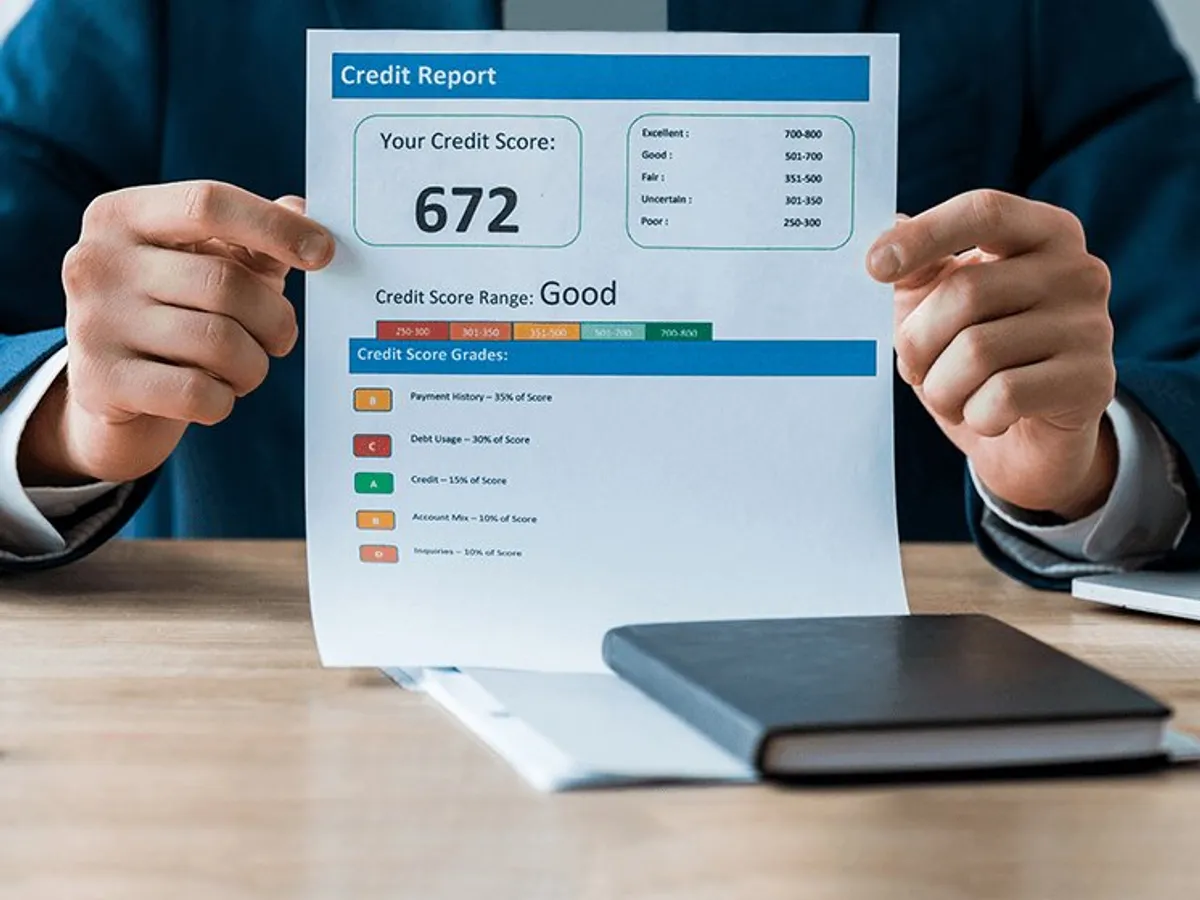

In the modern financial world, credit plays a crucial role in enabling individuals and businesses to access funds, make purchases, and manage cash flow efficiently. Credit allows you to borrow money or resources now, with the promise to repay in the future, often with interest. Whether it’s taking out a personal loan, using a credit card, or securing a business line of credit, understanding how credit works is essential for achieving financial stability and growth.
What is Credit?
Credit refers to an agreement between a borrower and a lender, where the lender provides money, goods, or services to the borrower with the understanding that repayment will occur in the future, usually with interest. Credit is not just about borrowing; it reflects your financial reliability and impacts your ability to access funds.
Key components of credit include:
- Principal: The original amount borrowed.
- Interest: The cost of borrowing, usually expressed as a percentage of the principal.
- Repayment Terms: The schedule and duration over which the borrowed amount must be repaid.
- Creditworthiness: The assessment of a borrower’s ability to repay based on financial history.
Types of Credit
Credit comes in various forms, each serving different financial needs. Understanding the types of credit is essential to use it responsibly.
1. Revolving Credit
Revolving credit allows borrowers to use funds up to a certain limit and repay either in full or partially, with interest charged on the remaining balance. Credit cards are the most common form of revolving credit.
Benefits:
- Flexible repayment options
- Continuous access to funds
- Helps build credit history
2. Installment Credit
Installment credit involves borrowing a fixed amount and repaying it in regular installments over a specified period. Examples include personal loans, auto loans, and mortgages.
Benefits:
- Predictable monthly payments
- Fixed repayment schedule
- Suitable for large purchases
3. Secured Credit
Secured credit requires collateral, such as a house or vehicle, to secure the loan. If the borrower defaults, the lender can claim the collateral. Mortgages and car loans often fall under this category.
Benefits:
- Lower interest rates due to reduced risk for lenders
- Easier approval for borrowers with lower credit scores
4. Unsecured Credit
Unsecured credit does not require collateral and is granted based on the borrower’s creditworthiness. Credit cards, personal loans, and student loans are examples of unsecured credit.
Benefits:
- No risk of losing personal assets
- Accessible for borrowers with strong credit histories
5. Open Credit
Open credit allows borrowers to pay the full balance each month without carrying forward debt. Utility bills and charge cards often function as open credit accounts.
Benefits:
- No interest if paid on time
- Simple management for regular expenses
Importance of Credit
Credit is more than just a tool for borrowing money; it is a vital aspect of financial planning and personal growth.
1. Facilitates Major Purchases
Credit enables individuals to make significant purchases such as homes, vehicles, or education, which might not be affordable through savings alone.
2. Builds Financial Reputation
Timely repayment and responsible use of credit enhance your credit score and demonstrate financial reliability to lenders. A strong credit history can improve loan approval chances and lower interest rates.
3. Emergency Financial Support
Credit provides a safety net during financial emergencies, enabling you to cover unexpected expenses without depleting savings.
4. Supports Business Growth
For businesses, credit is essential for managing cash flow, purchasing inventory, expanding operations, and investing in new opportunities. Access to credit can differentiate successful businesses from struggling ones.
5. Offers Rewards and Benefits
Certain types of credit, such as credit cards, offer rewards, cashback, and loyalty programs that provide additional financial advantages.
How Credit Works
Credit functions through a combination of lending institutions, interest rates, and repayment schedules. Understanding these mechanisms can help borrowers manage their finances better.
1. Credit Assessment
Before granting credit, lenders evaluate the borrower’s creditworthiness by reviewing credit scores, financial statements, employment history, and past repayment behavior.
2. Interest Calculation
Interest is the cost of borrowing and can be calculated using various methods, including simple interest or compound interest. The interest rate depends on factors like loan type, credit score, and market conditions.
3. Repayment Schedule
Credit agreements outline how and when repayments are due. Adhering to the repayment schedule prevents penalties, late fees, and negative impacts on credit scores.
4. Credit Reporting
Credit activity is reported to credit bureaus, which track financial behavior. Responsible credit management boosts your credit score, while defaults or late payments can harm it.
Building and Maintaining Good Credit
Maintaining a healthy credit profile is crucial for financial well-being.
1. Timely Payments
Paying bills, loans, and credit card balances on time is fundamental to building good credit. Late payments can lead to higher interest rates and damage your credit score.
2. Manage Credit Utilization
Keep credit utilization—the ratio of used credit to total available credit—low. Experts recommend using less than 30% of your total credit limit.
3. Avoid Excessive Applications
Applying for multiple credit accounts in a short period can negatively impact your credit score. Apply for credit only when necessary.
4. Monitor Credit Reports
Regularly review your credit reports for errors or discrepancies and dispute inaccuracies to maintain an accurate credit record.
5. Diversify Credit Types
Having a mix of credit types, such as revolving and installment credit, can improve your credit profile and demonstrate financial versatility.
Risks Associated with Credit
While credit offers numerous benefits, misuse can lead to financial instability.
- High Debt Levels: Excessive borrowing can lead to unmanageable debt and financial stress.
- Interest Accumulation: Failure to repay on time results in high-interest costs that increase overall debt.
- Negative Credit Impact: Missed payments, defaults, or bankruptcy severely damage credit scores, affecting future borrowing capacity.
- Fraud and Identity Theft: Misuse of credit cards or unsecured credit can expose borrowers to fraud, requiring vigilance and security measures.
Tips for Responsible Credit Use
- Set a budget before using credit to avoid overspending
- Prioritize paying off high-interest debts first
- Keep track of due dates to avoid late fees
- Use credit to make necessary purchases rather than impulsive ones
- Consult a financial advisor for large or complex credit arrangements
Credit in the Digital Era
Technology has transformed how credit is accessed and managed. Digital lending platforms, mobile banking, and online credit monitoring tools provide convenience and real-time access to credit information. Consumers can now apply for loans online, track repayments through apps, and use automated alerts to manage due dates.
Conclusion
Credit is a powerful financial tool that, when used responsibly, can enhance personal and business financial growth. Understanding the types of credit, their benefits, risks, and management strategies is essential for leveraging credit effectively. Building a strong credit profile opens opportunities for larger loans, lower interest rates, and financial flexibility. By staying informed and disciplined, individuals and businesses can use credit as a stepping stone toward long-term financial success.
FAQ Section
1. What is the difference between secured and unsecured credit?
Secured credit requires collateral to protect the lender, while unsecured credit relies on the borrower’s creditworthiness without collateral.
2. How does credit impact my financial opportunities?
A strong credit history improves chances of loan approval, better interest rates, and favorable terms for mortgages, auto loans, and business financing.
3. Can I build credit without borrowing money?
Yes, options like secured credit cards or reporting rent and utility payments to credit bureaus can help build credit without traditional borrowing.
4. What is a good credit score?
Credit scores typically range from 300 to 850. A score above 700 is generally considered good, reflecting responsible financial behavior.
5. How often should I check my credit report?
It is recommended to review your credit report at least once a year to ensure accuracy and monitor for any suspicious activity.
6. Can using credit cards responsibly improve my credit?
Yes, timely payments, low credit utilization, and consistent use of credit cards positively affect your credit score over time.
7. What happens if I default on a credit account?
Defaulting can result in legal action, increased interest rates, negative marks on your credit report, and difficulty obtaining future credit.

Comments are closed.